By: Lynn Melling
We recently had the privilege of partnering with The McKnight Foundation on a short film about my small hometown of Melrose, in Stearns County. We decided to call it “Great(er) Minnesota” because, as someone who grew up in “Greater Minnesota”, I’ve always had a chip on my shoulder about that identifier. It’s entirely based on how the Twin Cities decided to relate to the rest of the state, as though the metro is the center of the universe, and we’re only good enough to orbit the sun. As a professional communicator, I understand why identifiers like this exist. I get it. I really do. AND… that little “er” creates a division between the metro and the rest of the state that has a way of making people in rural areas feel “othered”.
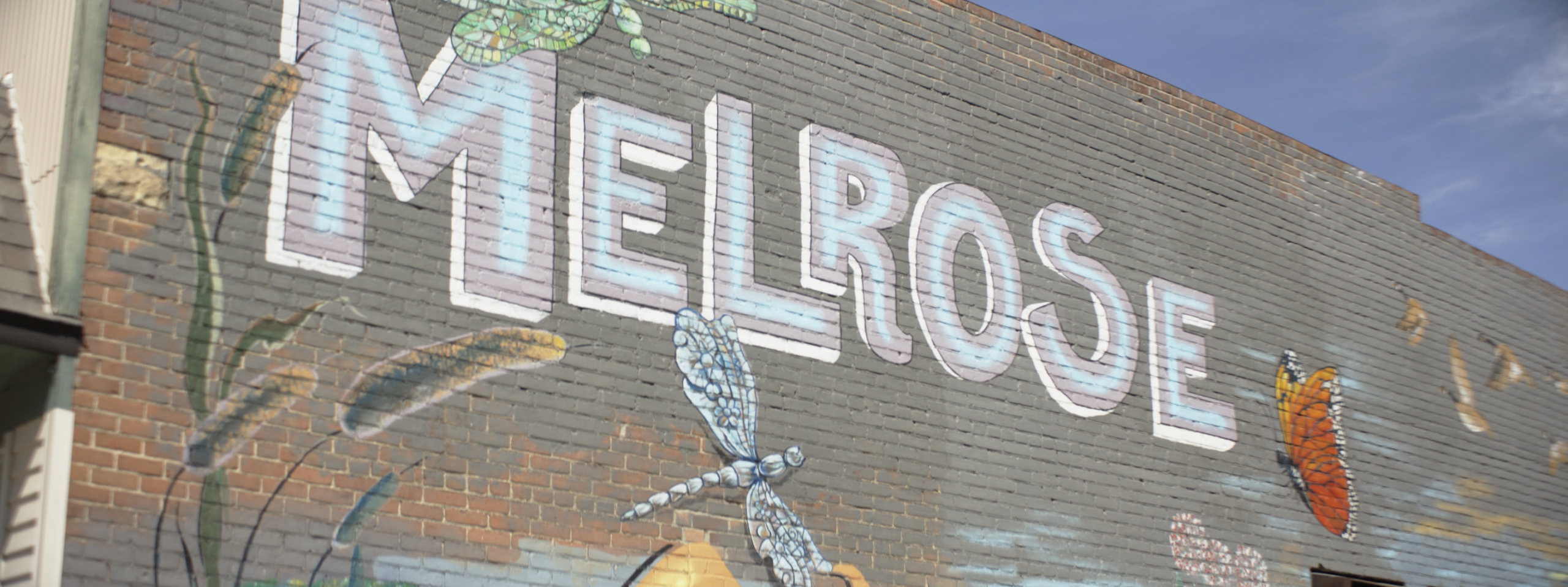
Great(er) Minnesota
The title of the film is an acknowledgement to folks in Greater Minnesota that they are more than “good enough” in relation to Minneapolis or St. Paul. They get to decide their own identity, and they are GREAT just the way they are.
Growing Division
As a former journalist, I believe the shrinking news coverage coming out of rural Minnesota over the years has led to major gaps in awareness about important issues there, and has also made people in rural areas cautious and reluctant about sharing their stories with the media. Reporters must earn the trust of their story subjects before they can scratch the surface of complex issues, and right now, there are too few reporters out there in Greater Minnesota with the relationships that allow them to dive deep.
This all became very clear to me during ICE surge. The disconnects between urban and rural Minnesota, as well as the disconnects within small towns themselves, were striking. Like many rural communities, the town of Melrose is deeply divided over the issue of immigration, and the surge seemed to have a paralyzing effect. At the same time, I noticed a striking lack of awareness in Minneapolis, where I now live, about the fact that there are thousands of immigrants in rural Minnesota and that they, too, were targets of ICE.
When you don’t understand who people are and the challenges they’re facing, it’s easy to buy into stereotypes. I believe a lack of understanding leads to a lack of empathy for people from other parties, geographies, cultures, etc., and that leads to “othering”, which is the key ingredient for division and polarization.
Bridging Divides
Storytelling is a way to reframe and restart conversations in a non-threatening and non-judgemental way. A story is an opportunity to simply present someone’s lived experience. When done thoughtfully, it’s an opportunity to help the viewer put themselves in someone else’s shoes. That’s what empathy is all about. I believe a story shouldn’t be about trying to persuade someone to change their mind. It should exist to give viewers a glimpse into someone else’s world and give them the opportunity to decide how they want to feel about it, and with any luck, get curious and want to learn more. That’s where conversations begin, and I believe, that’s how progress can be made.
Rural Minnesota has been left out of the conversation for way too long. It’s time to change that.