We are living through a moment when much is at stake: human rights, social justice, environmental sustainability, economic stability, public health, etc, etc.
These issues demand wide-spread public support, if we have any hope of making progress. Convincing the public to care about an issue is much more difficult than most of us realize, and in my experience, this is where opportunities are missed and precious resources are flushed down the drain.
It’s no secret that public affairs and advocacy campaigns have limited resources, and that they must make tough decisions about where to spend their time and money. This is why campaigns must be painstakingly strategic with their investments in messaging, communications and content production, if they have any hope of success.
There are many folks out there trying to sell quick and cheap shortcuts. I’ve been doing this for a very long time, and I’m here to tell you — there are very few shortcuts, and often those shortcuts require do-overs that can cost more in the long run. I’ve seen it happen over and over again, and if you can’t tell by my tone, I’m frustrated by these swindlers who are robbing organizations with true intentions of doing good.
Let’s be honest. Yes, a good a communications and content plan is an investment. But if you plan carefully, there are many ways to stretch your dollars. And IMO, there’s no sense in spending money on a cheap plan that won’t yield results. Might as well not spend anything at all.
So what does strategic storytelling look like? I’m so glad you asked.
People don’t automatically care about important causes
A cause can be urgent, necessary, and deeply meaningful, and still be communicated in a way that does not connect. I see that happen all the time.
Sometimes the message is overloaded with information. Sometimes it sounds careful and responsible, but not human. Sometimes it explains the issue without helping people understand why they should care.
People only care about a cause when they feel emotionally invested in it. That’s how advocacy campaigns get audiences engaged and up on their feet. If people don’t care, it’s a lost cause. It’s really that simple.
Facts matter. But facts alone rarely move people.
I care deeply about substance. This is not about replacing truth with emotion or reducing serious issues to marketing language. It is about communicating serious issues clearly enough, and humanly enough, that people can actually connect to them.
People need context. They need human stakes. They need to understand not just what is happening, but who it affects, why it matters now, and why they should care enough to stay with it. It helps turn complexity into clarity. It helps people locate themselves in the issue. It helps make important work feel real instead of distant.
Bad content does more than underperform
I think sometimes people talk about content as if the worst thing it can do is get ignored. But in advocacy work, the cost can be much higher than that.
Confusing content slows understanding. Weak content drains momentum. Flat content wastes precious resources. Generic content makes urgent issues easier to scroll past.
For organizations already working with limited budgets, limited time, and enormous pressure, that cost is real. If the mission matters, every communication choice matters too. This moment demands quality over quantity. Period, end of story.
What advocacy storytelling should actually do
To me, good advocacy storytelling is not about making something look polished for its own sake. It is about helping people connect to the truth of an issue.
It should help people understand: What is happening. Why it matters. Who it affects. What is at risk. Why this moment demands attention and action.
It should make it easier for people to care — not because they are being manipulated, but because they are finally being given a clear enough picture of what is really at stake.
Not spin. Not sentimentality. Not simplification.
Clarity with emotional truth.
This work is personal for us
At 515 Productions, this is the kind of work we care deeply about. We have a long track record of helping organizations translate complex issues into human-centered stories that help people feel connected to a cause.
We care about issues that matter. We take this personally. And we mean that.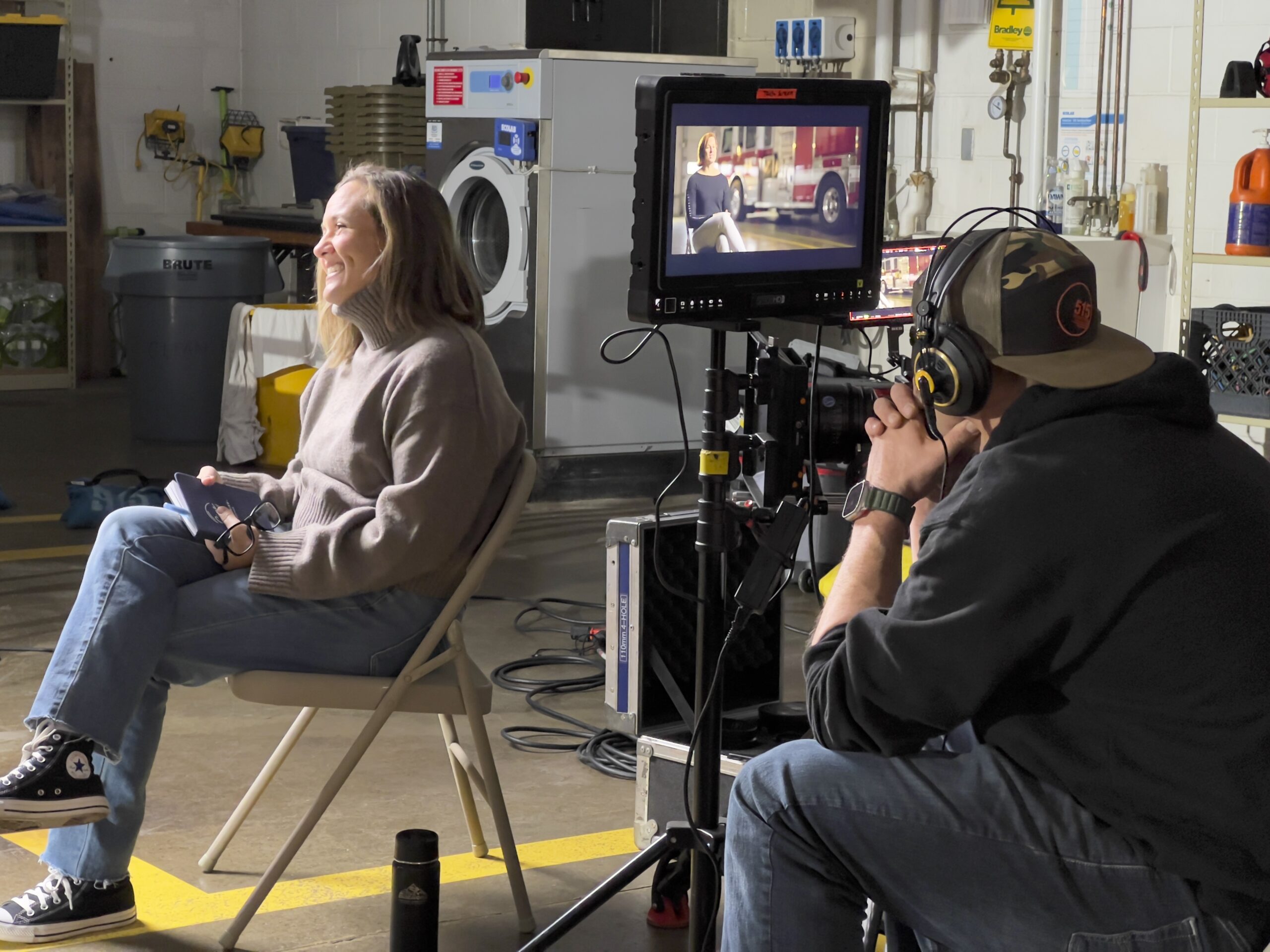
We are not interested in treating advocacy work like just another content assignment. When the stakes are real, the work deserves more care than that. It deserves thoughtfulness, honesty and rigor. It deserves a team that understands the difference between making something look good and making something actually connect.
Partnership matters in work like this
The organizations doing advocacy and mission-driven work are often carrying a lot.
There is urgency, pressure, and internal complexities. There are limited resources. There are audiences that need different things. And there is often a very real fear of getting the message wrong. That is why partnership matters so much to me in this kind of work.
The best storytelling does not come from standing at a distance and trying to package an issue. It comes from listening carefully, understanding what is at stake, respecting the nuance, and staying engaged through every step of the process.
That is how trust gets built. That is how stronger work gets made. And that is how advocacy work succeeds and problems get solved.